Animation for Adults Worth Watching
Animated films aren't just for children — these titles use the form to explore loneliness, time, and quiet grief.
Why animation earns serious attention
The assumption that animation belongs to children has always been a convenience rather than a principle. What the form actually does well — better than live action in many cases — is make interior states visible. A character's anxiety can warp the architecture around them. Memory can bleed colour into a scene without a word of dialogue. The best animated films for adult audiences exploit this capacity honestly, without turning it into spectacle. They use the unreality of the medium to get closer to real feeling, not further from it.
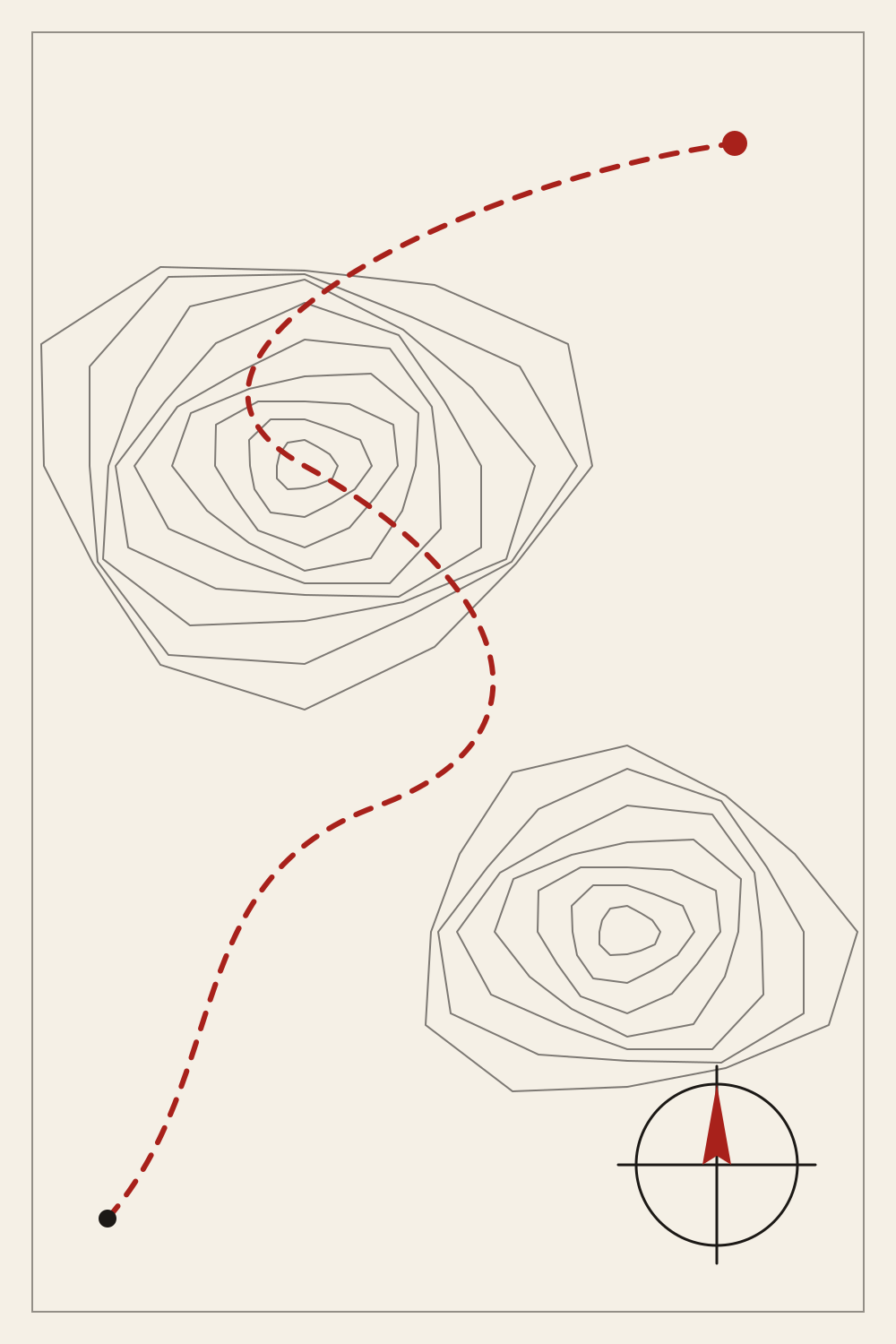
The Quiet Cartographer does this with unusual restraint. Its hand-drawn maps, which shift and redraw themselves as the protagonist moves through a city she no longer recognises, function as a genuine metaphor for disorientation rather than a visual trick. The film trusts that patience. Similarly, Mira on the Overpass earns its emotional weight not through any climactic moment but through accumulation — small scenes of routine, each rendered with just enough distortion to signal that something is wrong before the story tells you what.
What to look for, and what to avoid
A useful test for whether an animated film is genuinely working for an adult audience: would its ideas survive if you stripped away the visual style? Many films fail this. The animation is the point, and once you've admired it, there's nothing underneath. The films worth your time have something to say about how people actually live — work, obligation, the texture of getting through a day. Bone Calendar is a good example. Its subject is grief and the strange way time moves during it, and the stop-motion format, with its visible labour and physical weight, makes the theme tangible rather than decorative.
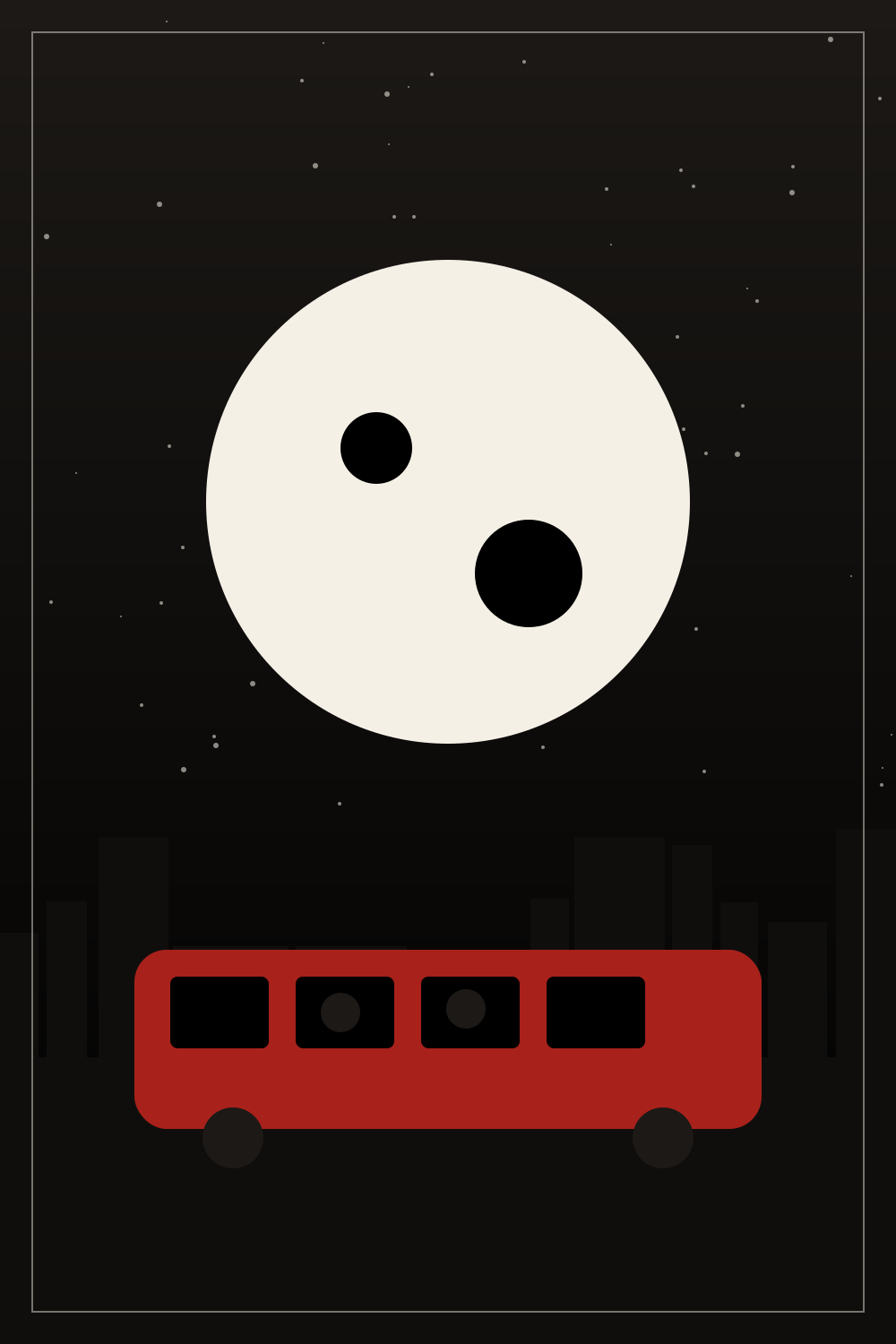
Avoid films that mistake darkness for maturity. Violence or explicit content in an animated film doesn't make it adult in any meaningful sense. What marks the better films here is a willingness to be ambiguous, to leave things unresolved, to ask something of the viewer. Under the Paper Moon qualifies. It ends without explanation and is better for it. If you're new to this territory, start there or with The Quiet Cartographer — both are accessible without being soft.