Quiet Films for a Late Evening
Some films are best met when the day has wound down and you have nowhere left to be.
Why quiet films work differently at night
There is a particular kind of film that resists daytime watching. Not because it is difficult, but because it asks something of you that busy hours rarely allow: patience, stillness, a willingness to let small details carry weight. These are films where a held glance or a half-lit corridor does more work than any plot turn. Late evening tends to lower your defenses in exactly the right way.
Night Ferry to Corva is a good example. It follows a single overnight crossing with almost no dramatic incident, yet by the time land appears, you feel you have learned something about loneliness and company that a more eventful film would have talked past. The darkness outside the ferry windows is not atmospheric decoration — it is the film's actual subject.
Films that earn their silence
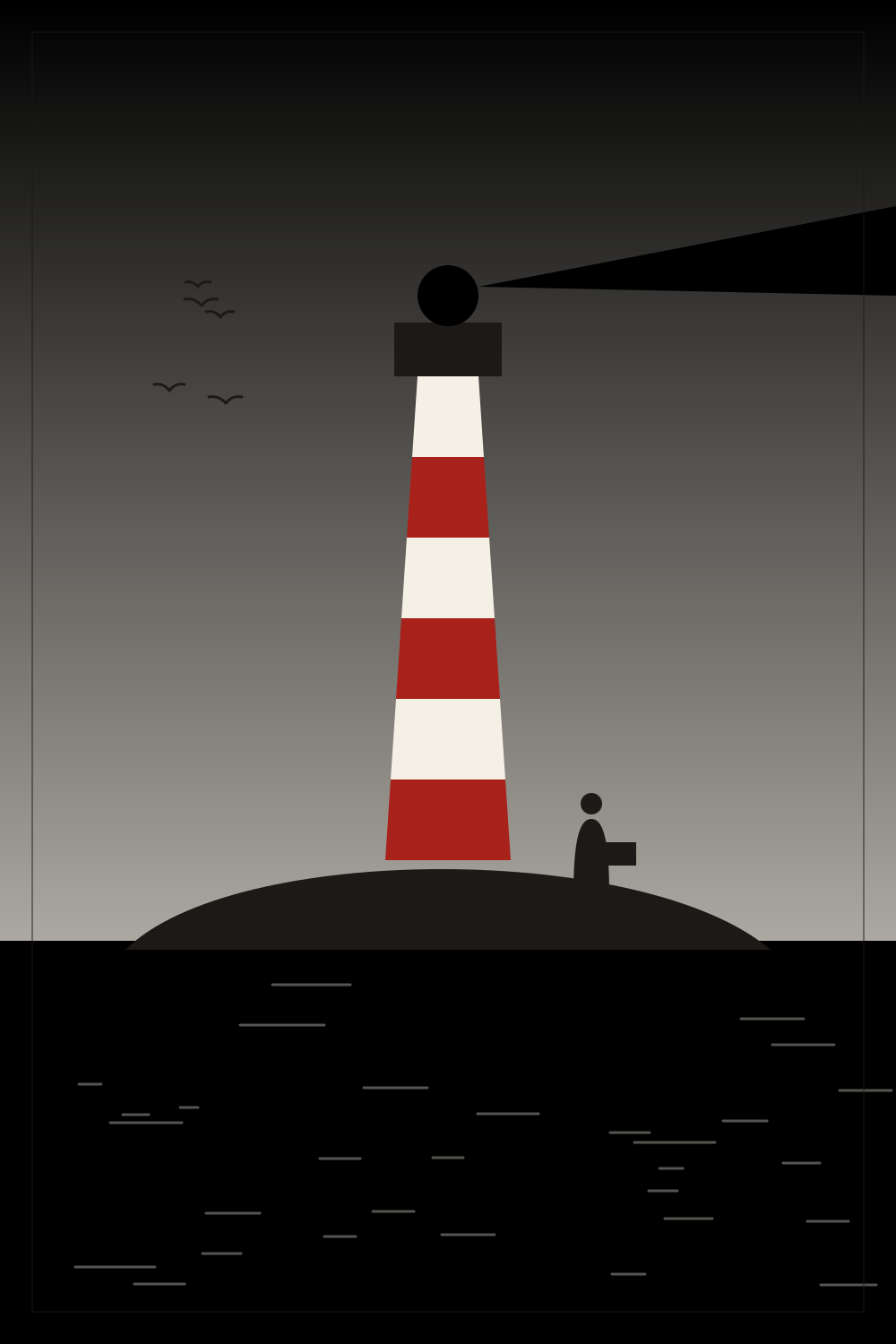
Quiet is not the same as slow, and slow is not the same as dull. The best films in this mode are precise about what they leave out. The Lighthouse Accountant, for instance, is almost entirely composed of routine — ledgers, mealtimes, a weekly walk along the same coastal path — and yet the accumulation of that routine becomes quietly devastating. You understand by the end why the accountant has stayed, and why he probably always will.
Vera on the Late Shift works in a similar register but at a faster tempo. It is set across a single night in a hospital records office, and its restraint is technical as much as emotional: low light, close framing, very little music. What it captures is the specific texture of work done while most people sleep, and the strange intimacy that builds between people sharing that particular loneliness. Neither film announces its intentions. Both stay with you longer than louder things do.
A few practical suggestions
If you are new to this kind of film, it helps to come in without expectations about pacing. Give it twenty minutes before you decide anything. Films like these often take time to establish the rules of their own world, and the early scenes that seem uneventful are usually doing careful groundwork. The Coin Laundry Oracle, which sounds whimsical and turns out to be anything but, is a useful test case: the first act is almost willfully quiet, and then you realize you have been listening very closely without noticing.